Living Cultural Heritage
Easter egg decorating
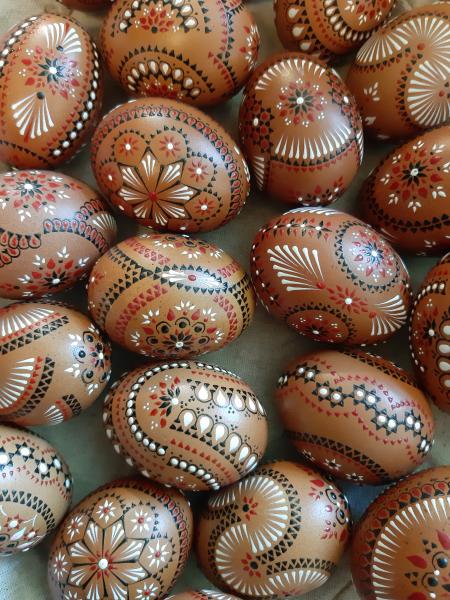
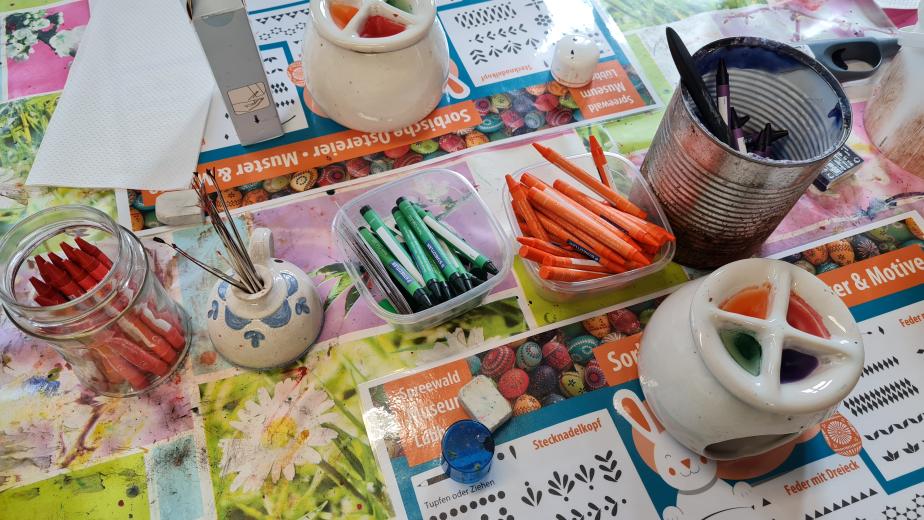
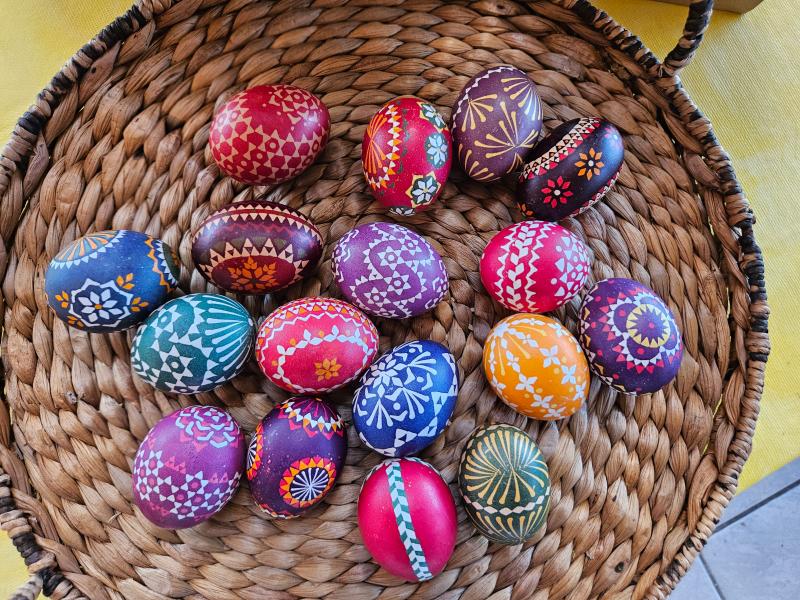
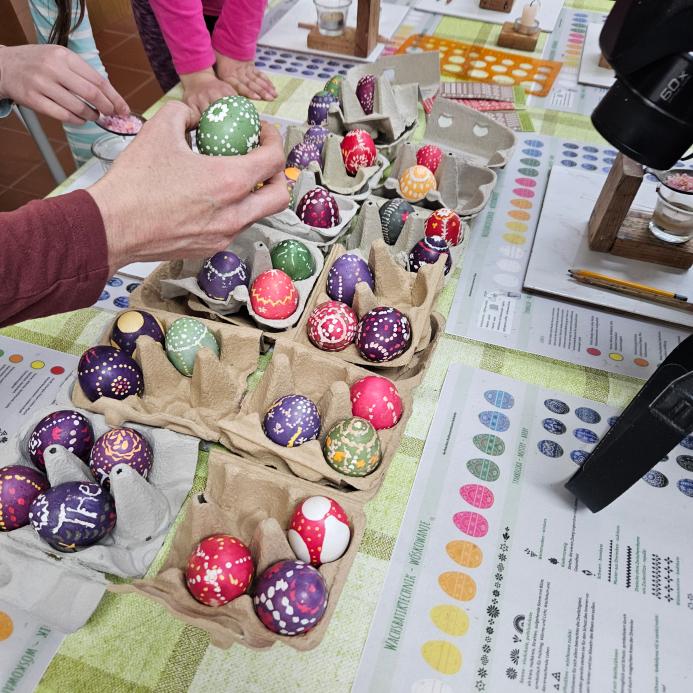
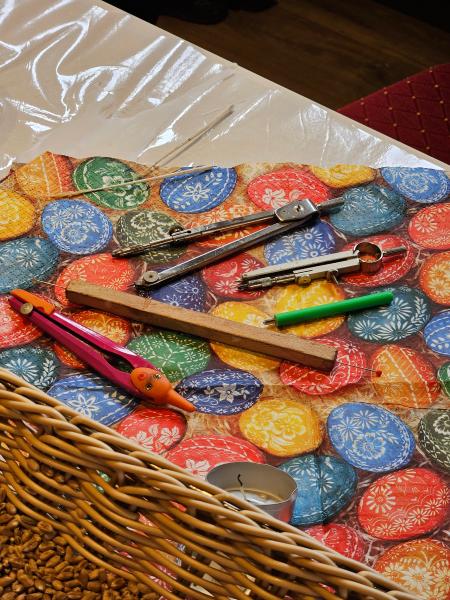
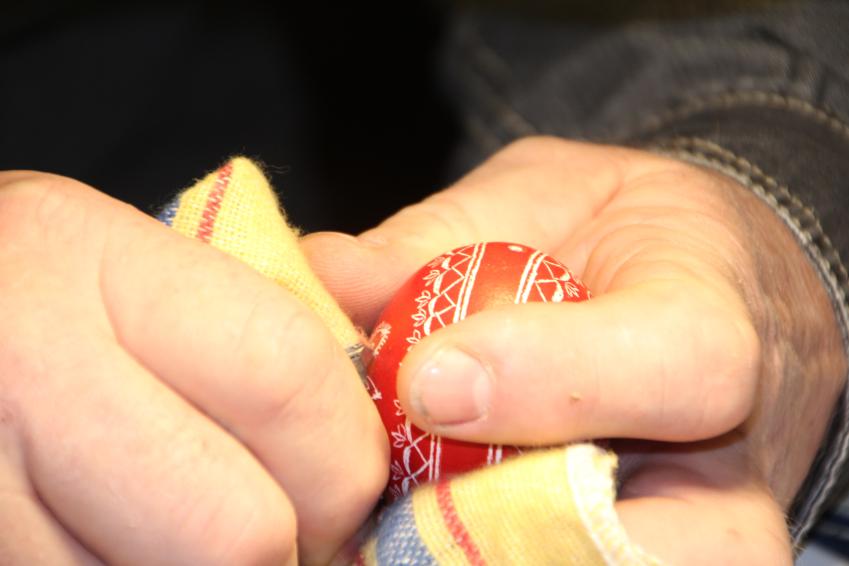
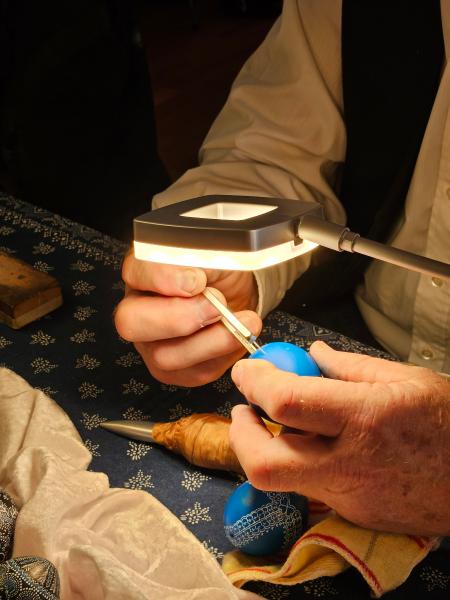
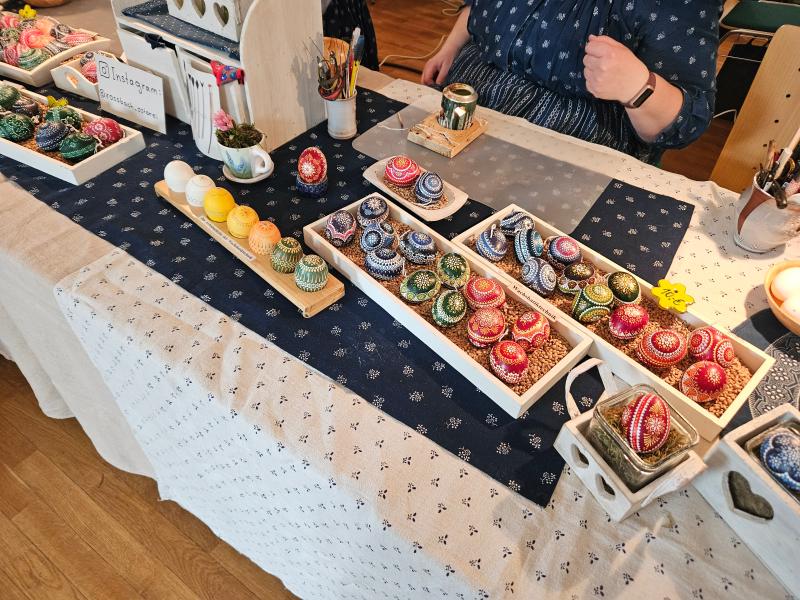
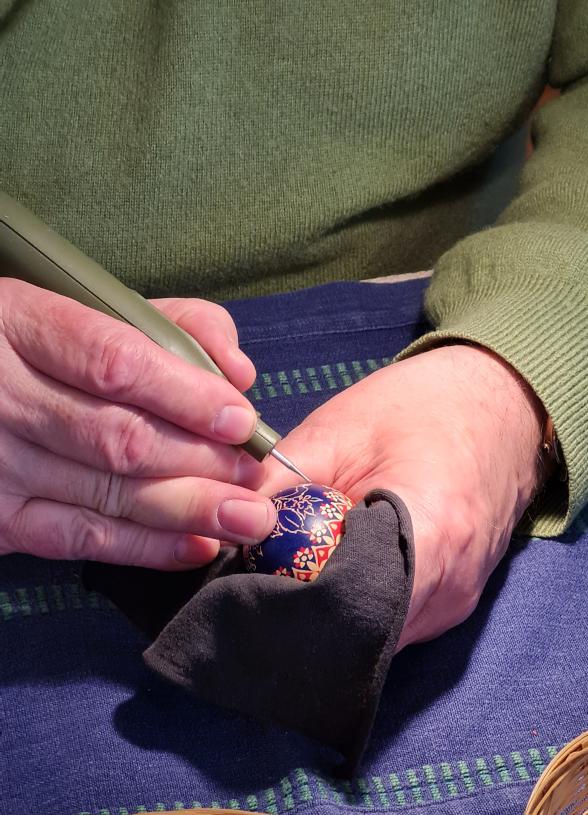
The Easter egg is a traditional, richly decorated Easter gift for children – especially godchildren – and in the past, also for domestic servants, the local pastor, or teachers. Even today, it remains a custom in some regions of Lusatia for children to collect their Holy Thursday gift from their godparents. Dyeing and decorating enhance the value of the egg. Four techniques are widely practiced, the most common being the wax-resist (or wax batik) technique. On boiled or blown-out eggs, patterns are applied with hot wax to areas where the egg should not absorb the dye. In the wax embossing technique, colored wax is applied directly onto a white or lightly colored egg. The scratching technique uses a sharp object to scratch the pattern into an already dyed egg. In the etching technique, the pattern is applied to the colored egg using diluted acid, such as citric acid or sauerkraut juice.
This is living cultural heritage that is characterised by its dynamism. This means that it changes, adapts and evolves in its practice and transmission over generations. This is how it is passed on and remains alive.